Top-News

Newsfile |
 Aufrufe: 27
Cool Earth Reports: Logging Threatens 39 Million Trees and 200 Families With Plans for a Chinese Timber Shipment


The charity reports that loggers are lying in wait outside eight rainforest communities, in the Milne Bay Province of Papua New Guinea, trying to convince each community to let them log for timber.
If they succeed, up to 39 million trees, habitats that are yet to be explored and species that are yet to be discovered, eight communities, and 200 families are at risk.
The New Guinea forest is the world's third largest rainforest. Stretching 73 million hectares, it is incredibly biodiverse and resource-rich.
It stores around 6.9 billion tonnes of carbon and is home to 7% of all species on our planet, including critically endangered species such as the singing dog, cuscus and birds of paradise.
The loggers arrive with smiles and promises of better roads, schools, health centres, roofing iron, and water tanks. They sweet-talk communities, saying things like, “You can keep your land and other resources; we just want your timber,” or “You'll receive royalties to help your families and keep your children in school,” said Regina, Country Manager for climate change charity Cool Earth.
The loggers are not arriving at the villages alone. Cool Earth reports that they are hiring local people to act as messengers. Setting up bases right beside rainforest communities.
“They like to target (Target Aktie) leaders and ward councillors first, knowing that if they convince one respected figure to allow them to log the land, others might follow,” Regina adds. “Right now, they are pressuring eight communities, visiting them every two weeks to try to convince them to sell their trees.”
For the safety of the communities, and the team, the charity has chosen not to name the logging company. But online records show that they intend to log and sell the timber to China.
In Papua New Guinea, the communities and clans own the land. So all loggers have to do is get their consent.
All eight communities sit between the sea and millions of hectares of primary rainforest. If loggers get consent here, they'll have a clear path inland. Hundreds of thousands of hectares of rainforest is at stake.
"They come with thick envelopes of cash and empty promises,” said Regina.
Living in the forest is tough. It can take days to reach school and health centers and hours to reach the nearest town. Access and the ability to make an income is also weather dependent. Communities often grow peanuts, weave Bilums and sell vegetables at market, but if there are heavy rains, they cannot travel and crops are destroyed.
"When a logger puts a thick envelope of money on the table, it can look like a lifeline. Even if it's just for a few weeks, life would feel easier. People in these communities don't see thick envelopes of money every day. It is easy to understand why a logger’s offer would be tempting,” said Regina.
Cool Earth gives cash to over 58,000 thousand people living in rainforests around the world through unconditional cash transfers. Unconditional means there's no catch or requirements on how the cash is spent. All the charity asks for in return is that they say no to loggers and the rainforest remains intact.
The charity also provides tech and data. Training communities how to use technology so they can monitor their territories for activities such as illegal logging, mining and encroachment. Monitoring the forest means they have evidence if any encroachment is made, which means they can get authorities involved.
Cool Earth already supports three of the eight communities that loggers are targeting. So far they have said no. But the other five communities are at high risk of loggers taking advantage and they have asked to partner with Cool Earth, which the charity hopes to be able to do in the new year.
It is critical that we partner with all the communities in this area; otherwise, the loggers will win, and we will lose the forest forever,” Regina concludes.
Find out more about Cool Earth and the situation in Papua New Guinea at www.coolearth.org
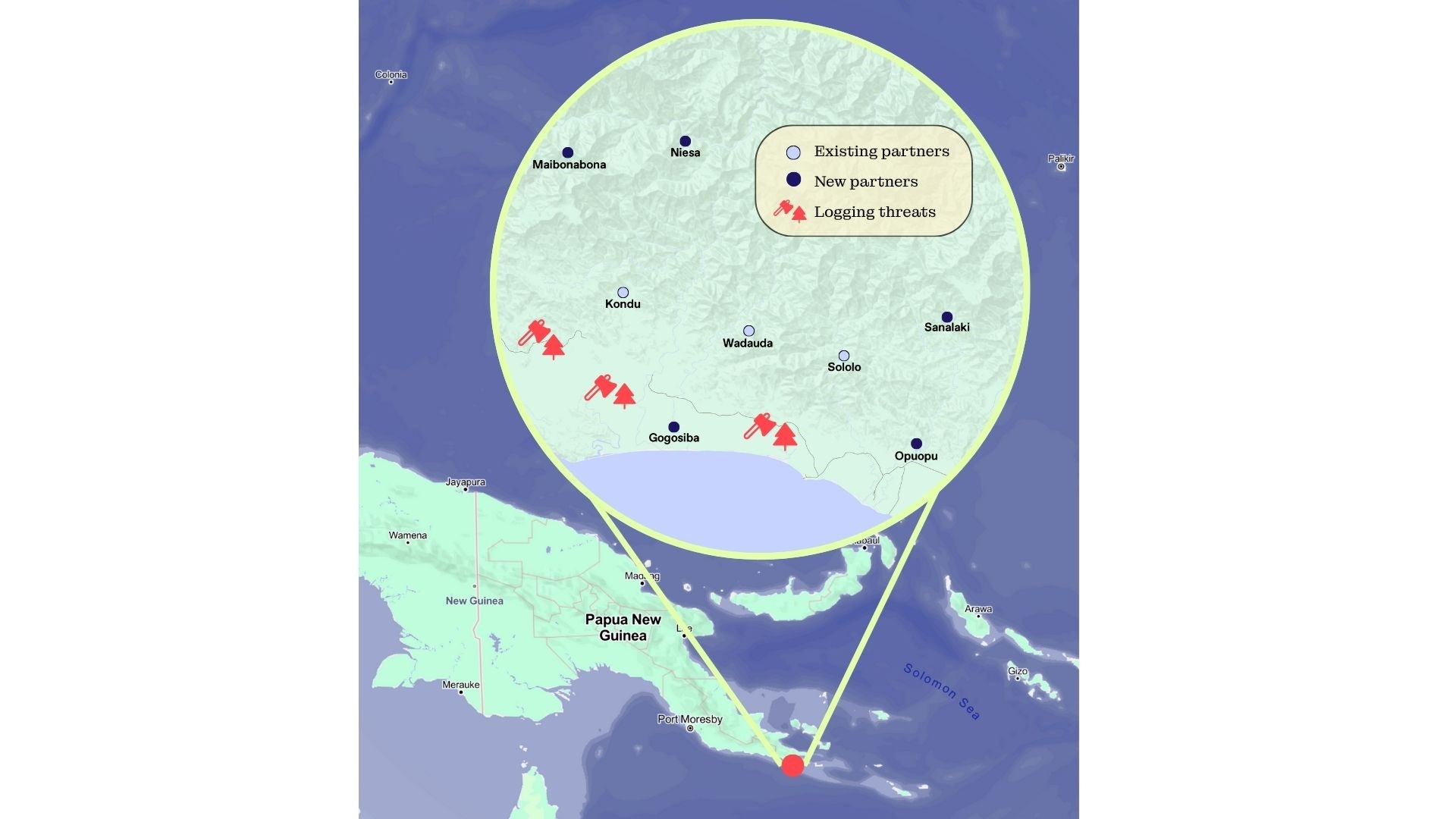
A map showing where loggers are based and the communities they are targeting.
To view an enhanced version of this graphic, please visit:
https://images.newsfilecorp.com/files/11966/276777_cba80ba8f48768f3_002full.jpg
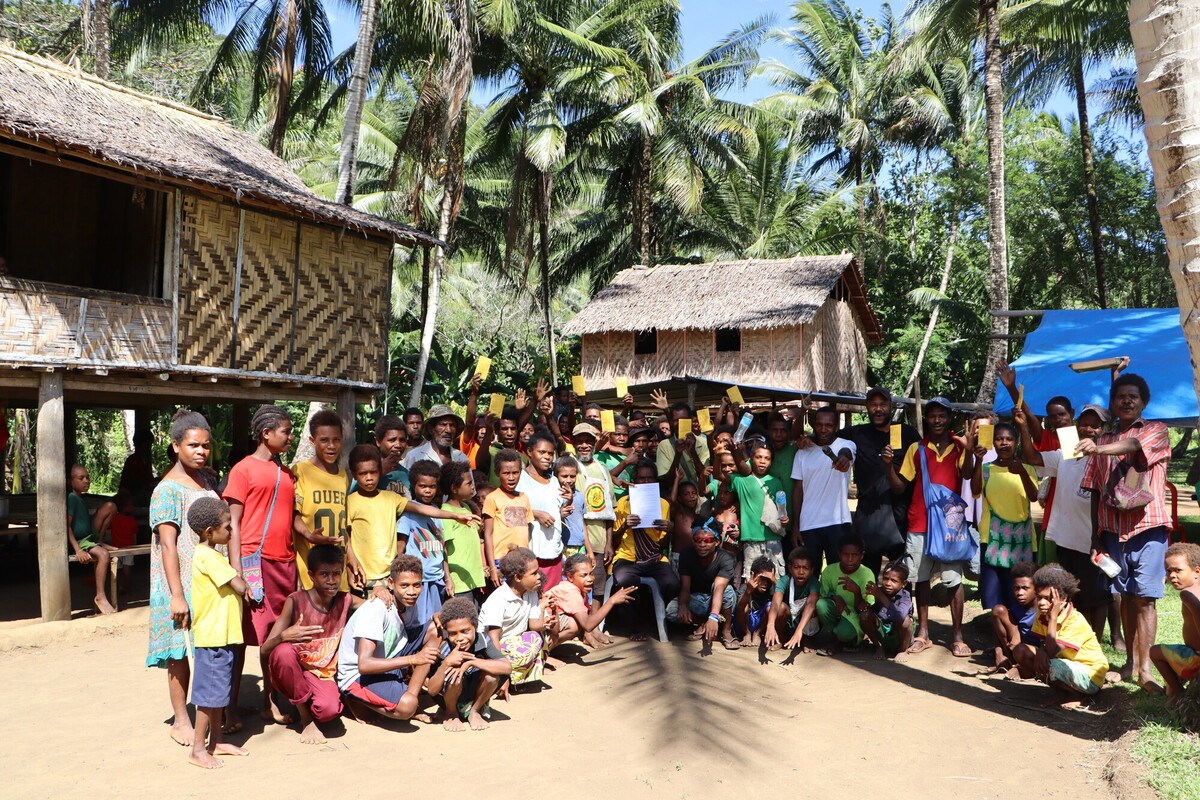
The community of Kondu with envelopes of cash from charity Cool Earth, which allows them to turn down the loggers’ offers.
To view an enhanced version of this graphic, please visit:
https://images.newsfilecorp.com/files/11966/276777_cba80ba8f48768f3_003full.jpg
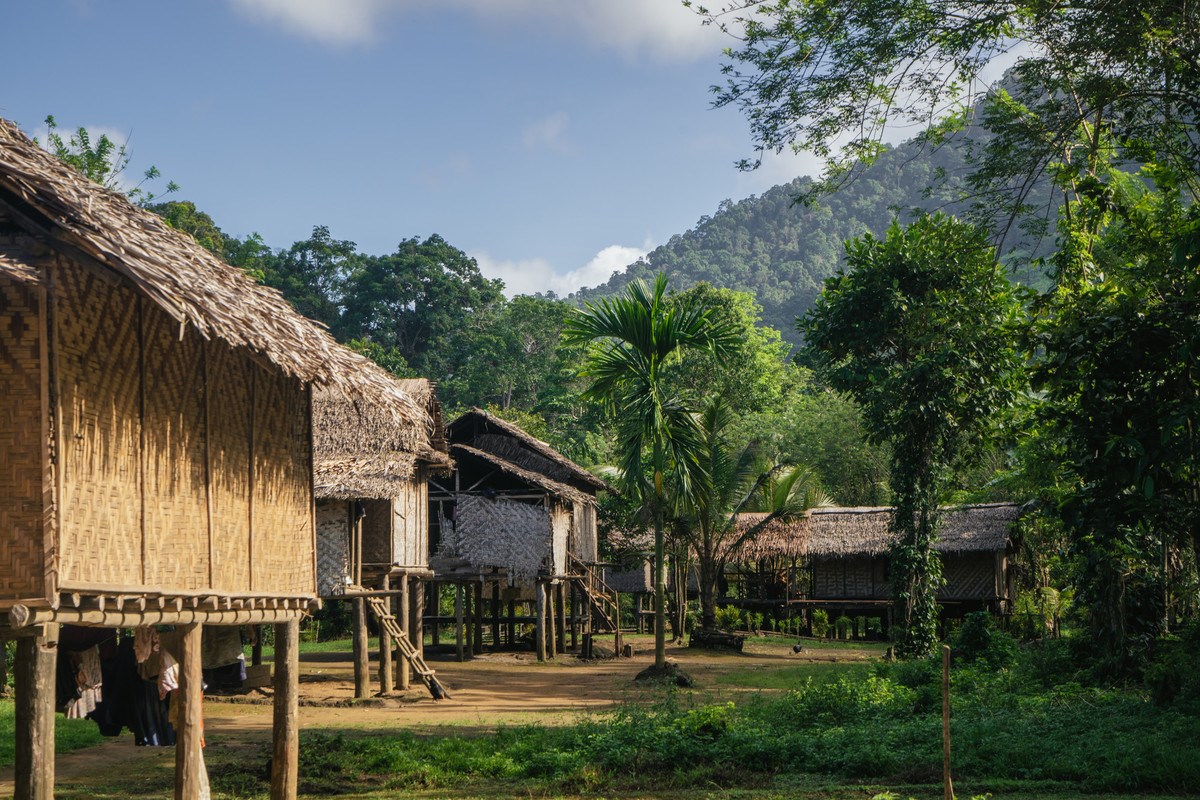
Village of Sololo in Milne Bay Province. Home to 129 people and over 9 million trees.
To view an enhanced version of this graphic, please visit:
https://images.newsfilecorp.com/files/11966/276777_cba80ba8f48768f3_004full.jpg
ENDS
For interviews please contact
Kaite.helps@coolearth.org / 07766934285
High-resolution images attached for use with this press release only
Editor's Notes:
"The forest isn’t just trees. To the people in the Milne Bay Province, the forest is Mother,” said Seseni. "Her trees give timber for our homes, her streams give us water to drink, her plants give us medicine when we are ill, and her soil gives us food to sustain us, therefore, we protect our mother at all costs," said Seseni. Seseni, son of the Chief of Sololo. He has lived in the forest his whole life.
About Cool Earth
Cool Earth partners with Indigenous Peoples and local communities who live in the rainforest, recognizing their vital role as the best stewards of these ecosystems. Protecting the world’s three largest rainforests is one of the most scalable and cost-effective solutions to the climate crisis.
Founded in 2007, Cool Earth pioneered an unconditional cash transfer model to support Indigenous peoples and local communities in defending their lands and rights. Supported by a board of trustees led by Dr. Tony Juniper CBE, and including trustees such as Gillian Burke, as well as ambassadors such as Johan Rockström, Cool Earth is committed to developing rights-based approaches as essential solutions to the climate crisis.

To view the source version of this press release, please visit https://www.newsfilecorp.com/release/276777
Hinweis: ARIVA.DE veröffentlicht in dieser Rubrik Analysen, Kolumnen und Nachrichten aus verschiedenen Quellen. Die ARIVA.DE AG ist nicht verantwortlich für Inhalte, die erkennbar von Dritten in den „News“-Bereich dieser Webseite eingestellt worden sind, und macht sich diese nicht zu Eigen. Diese Inhalte sind insbesondere durch eine entsprechende „von“-Kennzeichnung unterhalb der Artikelüberschrift und/oder durch den Link „Um den vollständigen Artikel zu lesen, klicken Sie bitte hier.“ erkennbar; verantwortlich für diese Inhalte ist allein der genannte Dritte.