Aufrufe: 81
 Audio
Audio
 Teilen
| EQS-News: Abbott / Key word(s): Expansion/Miscellaneous Abbott secures CE Mark for world's first dual glucose-ketone sensing technology for people with diabetes 28.05.2026 / 09:05 CET/CEST The issuer is solely responsible for the content of this announcement.
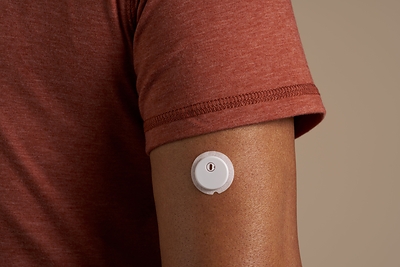
ABBOTT PARK, Ill., May 28, 2026 /PRNewswire/ -- Abbott (NYSE: ABT), a global healthcare leader, announced today it has secured CE Mark for the world's first dual glucose–ketone sensing technology for people with diabetes. Branded as Libre Duo and Libre Duo 10 Day, the systems are designed to continuously measure glucose and ketone levels every minute, providing real-time visibility into both glucose levels needed for daily diabetes management as well as rising ketones that can lead to a diabetic ketoacidosis (DKA) emergency. This marks the first time people with diabetes will be able to monitor ketones without traditional blood or urine tests. Abbott plans to begin launching Libre Duo systems in select European countries later this year.
Why monitoring ketones matters for people with diabetes In people with diabetes, DKA develops when the body does not have enough insulin and begins breaking down fat for energy, causing ketones to rise to dangerous levels in the blood.1 According to the American Diabetes Association, elevated ketones can escalate to DKA within hours and, if left untreated, can lead to coma or death.1 Yet, despite clinical guidance recommending ketone testing during illness or periods of elevated glucose, early detection remains a persistent challenge. How Libre Duo systems work Libre Duo systems continuously monitor both glucose and ketone levels, reducing reliance on blood or urine tests that capture only a single moment in time. The sensors are designed to help people with diabetes monitor glucose levels – the standard of care for daily diabetes management – while also alerting people to rising ketones so they can take action sooner and potentially avoid a serious DKA emergency. This CE Mark covers two Libre Duo systems. Libre Duo delivers up to 15 days of wear and will be offered to adults ages 18 and older. Libre Duo 10 Day offers up to 10 days of wear and is intended for people ages 2 and older. Clinical data indicate that a 10-day sensor can help active youth complete the full wear period. Both sensors deliver consistent, strong accuracy. Libre Duo systems will integrate with Abbott's Libre digital health ecosystem, enabling users to share glucose and ketone data with caregivers and healthcare providers. Abbott is also working with leading pump companies to allow automated insulin delivery (AID) systems to connect with the sensors. "Abbott has a long-established pattern of setting the pace in health tech innovation," said Chris Scoggins, executive vice president of Abbott's diabetes care business. "People living with diabetes routinely tell us that the risk of serious complications is a constant part of everyday life. Our Libre Duo systems offer people with diabetes, families and healthcare providers clearer, earlier information about what's happening inside their body, allowing them to act sooner when safety matters most." Libre Duo systems align with recommendations outlined in a recent international expert consensus paper from Breakthrough T1D, a global organisation focused on Type 1 diabetes research and advocacy, which describes the safe and effective use of continuous ketone monitoring as part of diabetes management. 2 Hilary Nathan, director of policy at Breakthrough T1D in the UK, said: "Type 1 diabetes is as individual as the people living with it, and there is no one-size-fits-all approach to managing it. That is why access to a range of technologies and genuine choice is so essential. It is tremendous to see innovation moving forward with tools like dual ketone and glucose monitoring, giving people more options to understand and manage their condition in real time. At Breakthrough T1D, we welcome advances like this, which reflect the realities of daily life with Type 1 diabetes." A growing gap in diabetes care DKA can develop quickly and is often difficult to detect early. Because ketones are not routinely monitored, warning signs are frequently missed, contributing to delayed intervention and rising rates of DKA. Recent data illustrate the scale of these challenges:
Frequently Asked Questions What is Libre Duo? Libre Duo systems are two-in-one biowearables that provide real-time visibility into both glucose levels and ketones. Early detection of rising ketones may help people avoid a serious diabetic ketoacidosis (DKA) emergency.1 Who should use Libre Duo? Libre Duo systems are designed for people with diabetes with higher risk for DKA, including people with Type 1 or Type 2 diabetes who use insulin or other glucose-lowering medications, such as sodium-glucose cotransporter 2 inhibitors, also known as SGLT2s Do people with diabetes need a continuous ketone monitor? Continuous glucose monitors (CGMs) track glucose, but they do not measure ketones. According to the American Diabetes Association, elevated ketones can progress to DKA within hours, making early detection critical. Because ketone levels can rise quickly — sometimes independently of glucose — and symptoms are often mistaken for common illnesses, having visibility into ketone trends may help people better understand when they could be at risk and take action sooner.1,2,4,6 About Libre: Abbott continues to pioneer groundbreaking technology to support people living with diabetes. The company revolutionised diabetes care more than 10 years ago with its world-leading Libre continuous glucose monitoring portfolio, which today is used by more than 8 million people across over 60 countries.9 People use Libre technology to see their glucose numbers in real-time, providing insights into how food, activity, or insulin impacts their glucose to help them make progress on their health goals. About Abbott: Abbott is a global healthcare leader that helps people live more fully at all stages of life. Our portfolio of life-changing technologies spans the spectrum of healthcare, with leading businesses and products in diagnostics, medical devices, nutritionals and branded generic medicines. Our 122,000 colleagues serve people in more than 160 countries. Connect with us at www.abbott.com and on LinkedIn, Facebook, Instagram, X, and YouTube.
 28.05.2026 CET/CEST Dissemination of a Corporate News, transmitted by EQS News - a service of EQS Group. The issuer is solely responsible for the content of this announcement. The EQS Distribution Services include Regulatory Announcements, Financial/Corporate News and Press Releases. View original content: EQS News | ||||||||||||||||||||||||||||||||||||||||||||||||||||||||||||||||||||||
2334792 28.05.2026 CET/CEST
Hinweis: ARIVA.DE veröffentlicht in dieser Rubrik Analysen, Kolumnen und Nachrichten aus verschiedenen Quellen. Die ARIVA.DE AG ist nicht verantwortlich für Inhalte, die erkennbar von Dritten in den „News“-Bereich dieser Webseite eingestellt worden sind, und macht sich diese nicht zu Eigen. Diese Inhalte sind insbesondere durch eine entsprechende „von“-Kennzeichnung unterhalb der Artikelüberschrift und/oder durch den Link „Um den vollständigen Artikel zu lesen, klicken Sie bitte hier.“ erkennbar; verantwortlich für diese Inhalte ist allein der genannte Dritte.














 View original content to download multimedia: