
Newsfile |
 Aufrufe: 3
Ballotpedia Identifies Key Policy Trends Emerging in 2026


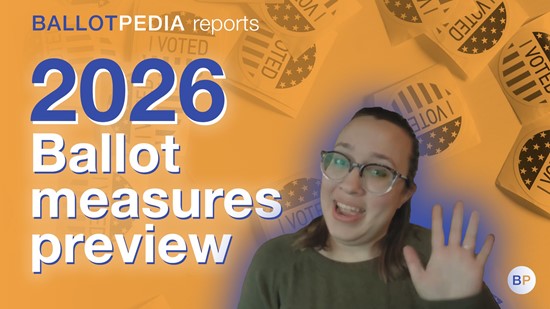
Visit the Ballotpedia YouTube page to watch an overview of the 2026 ballot measures preview.
To view an enhanced version of this graphic, please visit:
https://images.newsfilecorp.com/files/11226/281869_ballotpedia.jpg
Voters in multiple states could decide these questions in November 2026, continuing a trend of using ballot measures to resolve high-profile and often contested policy debates.
Citizenship and Noncitizen Voting
Voters in at least seven states may consider ballot measures establishing or clarifying citizenship requirements for voting in 2026.
As of November 2025, no state constitution explicitly allows noncitizens to vote, while 18 explicitly prohibit it.
- States with Certified Measures: Arkansas, Kansas, and South Dakota
- States with Potential Measures: Alaska, California, Michigan, and West Virginia
All certified measures are legislatively referred constitutional amendments, while potential measures include both legislative referrals and citizen initiatives.
Marijuana and Psychedelics
Voters in at least eight states could decide marijuana- or psychedelic-related ballot measures in 2026.
- States with Certified Measures: Idaho
- States with Potential Measures: Arizona, Florida, Maine, Massachusetts, Missouri, Nebraska, and Ohio
Currently, 40 states allow medical marijuana, and 24 states allow recreational use. Oregon, Colorado, and New Mexico permit psychedelics for medical purposes.
Between 1972 and 2025, voters decided 83 marijuana-related measures and three psychedelics-related measures, approving the majority of both.
Abortion Policy
Abortion remains a central ballot issue following the U.S. Supreme Court's 2022 Dobbs decision.
In 2026, voters in six states may consider abortion-related measures.
- States with Certified Measures: Missouri, Nevada, and Virginia
- States with Potential Measures: Idaho, Nebraska, Oregon
In 2024, voters decided on 11 abortion-related ballot measures, the most in a single year. Between 1970 and 2024, voters decided 65 abortion-related measures, with pro-choice measures historically passing at a higher rate than pro-life measures.
Sex, Gender, and LGBTQ Issues
Voters in nine states could decide 12 ballot measures related to sex, gender, and LGBTQ issues in 2026.
- States with Certified Measures: Missouri
- States with Potential Measures: Arizona, Colorado, Maine, Ohio, Vermont, Virginia, Washington
Topics include medical services for transgender minors, school sports participation, anti-discrimination protections, and repeals of constitutional bans on same-sex marriage. Some proposals address multiple topics.
Vote Threshold and Approval Requirements
Ballot measures changing vote requirements for initiatives and constitutional amendments are among the most widespread 2026 trends.
Voters in up to six states may consider such measures.
- States with Certified Measures: California, Missouri, North Dakota, South Dakota, and Utah
- States with Pending Measures: Hawaii
These proposals would raise approval thresholds, apply district-based requirements, or change how blank votes are counted. All certified measures are legislatively referred constitutional amendments scheduled for the November 2026 ballot.
Looking Ahead
As the 2026 election cycle advances, Ballotpedia will continue tracking which measures qualify for the ballot and how voter decisions compare with historical trends.
About Ballotpedia
Ballotpedia, the encyclopedia of American politics, is the nation's most trusted source of unbiased information on politics, elections, and policy. Founded in 2007, Ballotpedia has grown from a small group of dedicated volunteers working on a handful of ballot measures to an essential resource for voters, media, and researchers. Ballotpedia is a nonprofit organization dedicated to serving the public interest in creating an educated, engaged electorate, and building a strong, healthy democracy. For free access to 650,000+ encyclopedic, professionally authored, and curated articles, visit Ballotpedia.org.
# # #
Carley Allensworth
January 28, 2026 Public Relations Manager
carley.allensworth@ballotpedia.org
U.S. (618) 553-1830
To view the source version of this press release, please visit https://www.newsfilecorp.com/release/281869
Hinweis: ARIVA.DE veröffentlicht in dieser Rubrik Analysen, Kolumnen und Nachrichten aus verschiedenen Quellen. Die ARIVA.DE AG ist nicht verantwortlich für Inhalte, die erkennbar von Dritten in den „News“-Bereich dieser Webseite eingestellt worden sind, und macht sich diese nicht zu Eigen. Diese Inhalte sind insbesondere durch eine entsprechende „von“-Kennzeichnung unterhalb der Artikelüberschrift und/oder durch den Link „Um den vollständigen Artikel zu lesen, klicken Sie bitte hier.“ erkennbar; verantwortlich für diese Inhalte ist allein der genannte Dritte.