
 Zurück



Ich spare seit April in einen Russland-ETF per Sparplan, ich zahle ich hier 2x im Monat kleine Beträge.
Ich glaube hier auch nicht, dass wir hier die letzten Tiefstkurse gesehen haben. Aber die Bewertungen sind aktuell schon sehr niedrig. Und ich glaube nicht an einen 3. Weltkrieg.
Ich werde aber auch definitiv nur einen kleinen Depotanteil hier investieren. Die Rechtslage ist mir in Russland zu unklar. Man sieht gerade sehr schön an Gazprom, dass die Unternehmen dem Staat gehören.
www.kostolany-analyse.de
Ich glaube hier auch nicht, dass wir hier die letzten Tiefstkurse gesehen haben. Aber die Bewertungen sind aktuell schon sehr niedrig. Und ich glaube nicht an einen 3. Weltkrieg.
Ich werde aber auch definitiv nur einen kleinen Depotanteil hier investieren. Die Rechtslage ist mir in Russland zu unklar. Man sieht gerade sehr schön an Gazprom, dass die Unternehmen dem Staat gehören.
www.kostolany-analyse.de
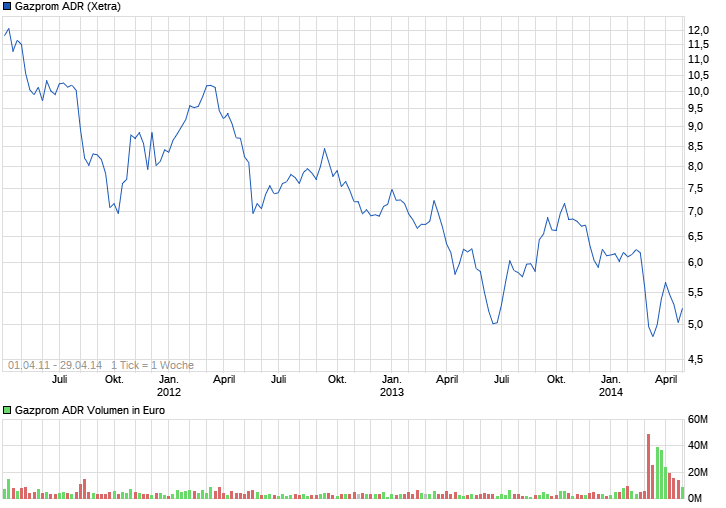 auch wenn mir das mögliche Potential unklar ist. An die von einigen beschworene Zeitenwende glauben weder ich noch der Markt, zumal es dafür an fundamentalen Grund fehlt. Ob die relative Schwäche russ Aktien bzw der Währung wirklich kausal an der Ukraine oder den angedrohten Sanktionen hängt halte ich übrigens nicht für ausgemacht..


